


Do You Really Understand Your Debt?

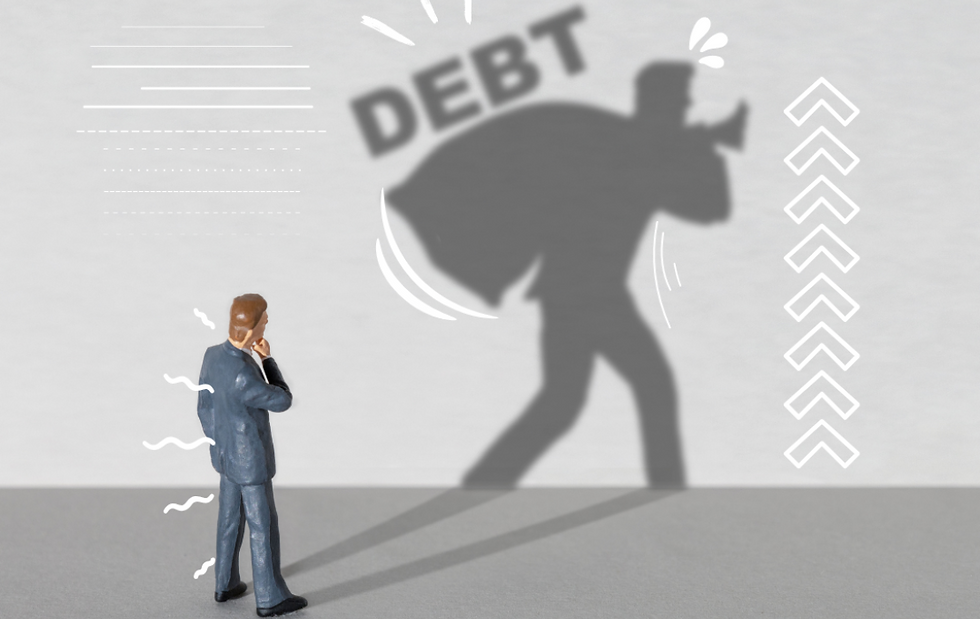
You probably have debt. A home loan, an education loan, a credit card balance, a personal loan from a difficult year. Most earning adults in India do. And most of them know roughly what they owe.
But knowing you have a home loan and actually understanding your debt are 2 very different things. Do you know what your debt is costing you in total interest over its lifetime? Do you know which of your debts is doing the most damage to your financial position? Do you know the difference between debt that is building something for you and debt that is quietly draining it?
Most people cannot answer those questions clearly. This lesson is about changing that.
Understanding Your Debt: Secured vs Unsecured
All debt falls into 1 of 2 categories, and understanding the difference matters.
Secured debt is backed by an asset. A home loan is secured by the property. A car loan is secured by the vehicle. A gold loan is secured by the jewellery. Because the lender has something to recover if you default, interest rates are lower. The risk is that if you cannot repay, the lender can seize that asset.
Unsecured debt has no collateral behind it. Personal loans, credit cards, and education loans are typically unsecured. Because the lender has no assets to fall back on, they charge higher interest rates to compensate for the risk. If you default, the lender cannot seize a specific asset without a court order, but they can pursue legal action, and your credit score will take a significant hit.
The practical takeaway: secured debt is usually cheaper but puts an asset at risk. Unsecured debt is more flexible but costs more.
Good Debt and Bad Debt: A More Honest Look
You may have heard the idea that some debt is good and some is bad. It is a useful starting point but the reality is more nuanced.
Debt that helps you build something of lasting value, a home, an education, a business, is generally considered productive. The cost of borrowing is outweighed by what you gain. A home loan at 8.5% on a property that appreciates over time is a very different proposition from a credit card balance at 36% on a holiday you have already been on.
But the categories are not always clean. A personal loan taken for a genuine medical emergency is technically high-cost unsecured debt. That does not make it bad. Sometimes it is the right decision given the circumstances. Similarly, an education loan for a course with poor career prospects may not deliver the returns that justify the cost.
A better framework than good versus bad: ask whether the debt has a clear purpose, a manageable cost relative to your income, and a realistic repayment plan. If yes to all 3, the debt is probably working for you.
If not, it is worth examining.
When Debt Starts to Feel Unmanageable
Debt becomes a problem when it starts to outpace your ability to manage it. The signs are usually gradual rather than sudden.
Consider Ravi, a 36-year-old marketing manager in Kolkata. He has a home loan, a car loan, a personal loan he took 2 years ago for home renovations, and a credit card he has been rolling over for 6 months. Each individual obligation felt manageable when he took it on. Together, his EMIs and minimum payments now consume 65% of his take-home salary, leaving almost nothing for savings and very little cushion for anything unexpected.
He is not in crisis yet. But he is one bad month away from missing a payment, which would damage his credit score and potentially trigger penalty interest rates.
Some signs that debt may be getting out of hand:
Your total EMIs and debt repayments exceed 40 to 50% of your take-home income.
You are paying only the minimum on credit cards rather than the full balance.
You are borrowing to repay existing debt.
You have missed or delayed payments.
You are not saving anything because debt repayments consume everything left after essential expenses.
The thought of your total debt causes persistent anxiety.
If several of these apply, it is time to stop and make a plan. Not to panic, but to take stock and act deliberately.
The Basics of Managing Debt Well
Managing debt effectively comes down to a few consistent habits.
Know exactly what you owe. List every debt: the lender, the outstanding balance, the interest rate, and the monthly payment. Most people have a rough sense of their debt but not a precise picture. The precise picture is what allows you to make good decisions.
Pay more than the minimum wherever possible. Minimum payments are designed to keep you in debt longer. Even a small additional payment each month reduces the principal faster and significantly reduces the total interest you pay over the life of the loan.
Tackle high-interest debt first. Credit card debt at 36% a year destroys wealth faster than almost any investment can create it. If you have both investments and high-interest debt, the math usually favours paying off the debt first.
Do not take on new debt to manage existing debt unless the terms are significantly better. Consolidating multiple high-interest debts into a single lower-interest loan can make sense. Borrowing more to cover payments you are struggling with usually makes the situation worse.
Protect your credit score. Pay on time, every time. A good credit score keeps future borrowing affordable. A damaged one makes it expensive precisely when you most need to borrow.
Debt and Your Mental Health
Debt does not just affect your finances. The stress of carrying it, especially when it feels out of control, can affect your sleep, your mood, and your relationships. If that sounds familiar, the most effective first move is not a calculation. It is a decision to stop avoiding and start looking at it honestly.
You do not have to figure it out alone. A licensed financial expert can help you see your options clearly and build a plan that is realistic for your situation.
Bottom Line
Debt is a tool. Like any tool, it can build something valuable or cause damage depending on how it is used.
Understanding what you owe, what it costs, and what it is for is the foundation of managing it well. From there, the goal is simple: reduce high-cost debt as quickly as your situation allows, protect the debt that is serving you, and never let it grow beyond what you can comfortably manage.
If you want help getting a clear picture of your debt and building a repayment plan, a licensed expert on GoalSeek can help you work through it.
Key Takeaways:
Debt is a normal part of financial life. What matters is whether you understand it, what it costs, and whether you have a plan to manage it.
Secured debt is backed by an asset and is typically cheaper. Unsecured debt has no collateral and typically costs more. Knowing which you have affects how you prioritise repayment.
When total debt repayments exceed 40 to 50% of your take-home income, or when you are borrowing to repay existing debt, it is time to stop and make a plan.

Comments